




RAF PRE-AGE 65 VETERAN RECALL JOINING INSTRUCTIONS
1. Congratulations! You have been selected by PM Keir Starmer to rejoin the Royal Air Force. Please read the following instructions carefully. These are also available in LARGE FONT.
2. You will be issued with a Rail/Bus Warrant from your nearest Rail or Bus Station to Wendover Rail Station where an Easy Access Bus will transfer you to Royal Air Force Halton where you will be taken to the new Re-Entry Division close to the recently refurbished Station Medical Centre.
3. On arrival you will be welcomed by your allocated DI and will be taken to the Recruit Messing facility where a tasty tea of soft and easily chewable meal options will be available.
2. You will be issued with a Rail/Bus Warrant from your nearest Rail or Bus Station to Wendover Rail Station where an Easy Access Bus will transfer you to Royal Air Force Halton where you will be taken to the new Re-Entry Division close to the recently refurbished Station Medical Centre.
3. On arrival you will be welcomed by your allocated DI and will be taken to the Recruit Messing facility where a tasty tea of soft and easily chewable meal options will be available.
4. MoD hearing aids, ventilators and CPAC machines will be issued (Pat tested). Medicine and Pain Relief vending machines are available in every dormitory. At the same time catheter bags and Tena incontinence pants are freely available.
5. Ovaltine and Digestive biscuits are available until lights out at 2030. After a good night's sleep and numerous urine breaks. You will be taken to the Clothing Stores to collect your new uniforms. The Royal Air Force have worked closely with Damart to produce a comfortable easy care uniform. Even your boots and shoes have been modified and now come with easy-wear Velcro fastenings.
6. After collecting your personal issue mobility scooter, you can have a leisurely ride around Royal Air Force Halton and take your all-terrain vehicle to the NAAFI, around Wendover Woods or The Rose Public House.
7. It's now Stand Easy or as the Government have renamed this break as a NSD 'Nice Sit Down'.
Further instructions will be issued later in a nice chat with your DI’s after your afternoon post lunch nap.
5. Ovaltine and Digestive biscuits are available until lights out at 2030. After a good night's sleep and numerous urine breaks. You will be taken to the Clothing Stores to collect your new uniforms. The Royal Air Force have worked closely with Damart to produce a comfortable easy care uniform. Even your boots and shoes have been modified and now come with easy-wear Velcro fastenings.
6. After collecting your personal issue mobility scooter, you can have a leisurely ride around Royal Air Force Halton and take your all-terrain vehicle to the NAAFI, around Wendover Woods or The Rose Public House.
7. It's now Stand Easy or as the Government have renamed this break as a NSD 'Nice Sit Down'.
Further instructions will be issued later in a nice chat with your DI’s after your afternoon post lunch nap.

From: Ken Felton, Mileham, Norfolk
Subject: Retirement Hobbies
Hi Tony,
Apologies for being late on parade for the retirement hobbies theme. After leaving regular RAF service in February 2016, I enjoyed worked for Babcock developing solutions for bids, including our RAF Brize Norton solution which, sadly, did not come to fruition; we had a really innovative and collaborative solution that would have made a big difference to the Station and the way it operates.
I also worked as a Business Support Manager for Babcock's AirTanker contract which was less enjoyable. At the same time I worked as an Associate Lecturer with the University of Lincoln and assessor for the Chartered Institute of Procurement and Supply, which I still work for as part of their Corporate Awards and Apprenticeship End Point Assessment programmes. In addition, I served as a Volunteer Ex-Regular Reservist within the Base Support Group at Brize Norton before moving to Norfolk in 2022.
Subject: Retirement Hobbies
Hi Tony,
Apologies for being late on parade for the retirement hobbies theme. After leaving regular RAF service in February 2016, I enjoyed worked for Babcock developing solutions for bids, including our RAF Brize Norton solution which, sadly, did not come to fruition; we had a really innovative and collaborative solution that would have made a big difference to the Station and the way it operates.
I also worked as a Business Support Manager for Babcock's AirTanker contract which was less enjoyable. At the same time I worked as an Associate Lecturer with the University of Lincoln and assessor for the Chartered Institute of Procurement and Supply, which I still work for as part of their Corporate Awards and Apprenticeship End Point Assessment programmes. In addition, I served as a Volunteer Ex-Regular Reservist within the Base Support Group at Brize Norton before moving to Norfolk in 2022.
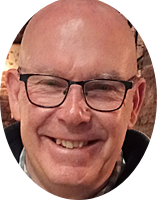
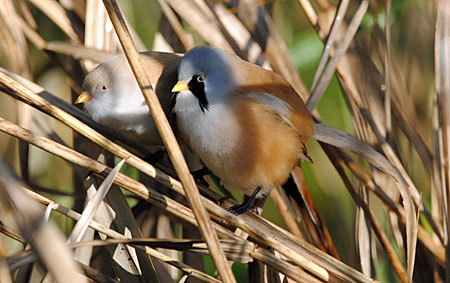


Being in Norfolk has reignited a childhood passion for wildlife, and especially birds, which we are particularly blessed with in this part of the UK. Having splashed out on a long lens for my camera, I try to spend as much time as possible on the many reserves here and in neighbouring counties to hone my photographic skills.
Sue and I have also been lucky enough to travel to many amazing places around the globe, including a lot of time spent in Vietnam, Malaysia and Singapore, thanks to my daughter being a school teacher in Johor for 5 years.
Best wishes, Ken
Sue and I have also been lucky enough to travel to many amazing places around the globe, including a lot of time spent in Vietnam, Malaysia and Singapore, thanks to my daughter being a school teacher in Johor for 5 years.
Best wishes, Ken
From: Steve Caunt, Shepton Mallet, Somerset
Subject: Retirement Hobbies
Hi Tony,
First and most importantly, based on my own experience, I strongly recommend that no one should move straight from full-time work into retirement. Cutting your days/hours worked gives you time to find out what you really want to do in retirement and provides a gradual transition for as long as you want it. It also provides time to tick off that long list of jobs around the house that you never quite had time to do when working and lets you transfer your attention to hobbies with complaints from nearest and dearest!
My hobbies, aside from spending more time with family and travelling for pleasure, started with some gliding – relatively low-cost compared with powered flying and challenging enough to reach solo standard in a reasonable time. Nowadays my hobbies are more sedentary but I have a modest flight simulator set-up (MSFS 2024) that you can configure to make flying as simple or as complicated as you like. I have also achieved a long-held ambition to build a model railway layout – no longer a cheap hobby but very satisfying. I have also returned to a childhood hobby of making model aircraft kits (Airfix and the like) – the quality of these kits has improved enormously and they go together very nicely with modern glues and painted neatly with air brushes.
I am no expert in any of these hobbies by any means – but I have learned a lot along the way and if anyone would like any advice on starting out with any of them, I would be very happy to provide it!
My Very Best Wishes
Steve Caunt (73 going on 23!)
Subject: Retirement Hobbies
Hi Tony,
First and most importantly, based on my own experience, I strongly recommend that no one should move straight from full-time work into retirement. Cutting your days/hours worked gives you time to find out what you really want to do in retirement and provides a gradual transition for as long as you want it. It also provides time to tick off that long list of jobs around the house that you never quite had time to do when working and lets you transfer your attention to hobbies with complaints from nearest and dearest!
My hobbies, aside from spending more time with family and travelling for pleasure, started with some gliding – relatively low-cost compared with powered flying and challenging enough to reach solo standard in a reasonable time. Nowadays my hobbies are more sedentary but I have a modest flight simulator set-up (MSFS 2024) that you can configure to make flying as simple or as complicated as you like. I have also achieved a long-held ambition to build a model railway layout – no longer a cheap hobby but very satisfying. I have also returned to a childhood hobby of making model aircraft kits (Airfix and the like) – the quality of these kits has improved enormously and they go together very nicely with modern glues and painted neatly with air brushes.
I am no expert in any of these hobbies by any means – but I have learned a lot along the way and if anyone would like any advice on starting out with any of them, I would be very happy to provide it!
My Very Best Wishes
Steve Caunt (73 going on 23!)

The loading of a NH90 helicopter onto a Spanish A400M Atlas
From: Dave Brixey, St Anne's Chapel, Cornwall
Subject: Whatever happened to... ?
Hi Tony, greetings from dampest Kernow.
What happened to them? Blimey, where to start.
Billy Porter - C Shift, BZZ 86-88 and not a trace since.
Brian Larkin - C Shift BZZ 83-87/88 (all 12 years at Brize) no trace.
Paul 'Fritz' Friend, Gutersloh 89-93, his father was a Lt.Col. Royal Signals. I know he was posted back to Lyneham or Bruggen when the squadron at Gutersloh was winding down.
Matt Wilkinson C Shift BZZ 83-88. No idea what happened to him.
Subject: Whatever happened to... ?
Hi Tony, greetings from dampest Kernow.
What happened to them? Blimey, where to start.
Billy Porter - C Shift, BZZ 86-88 and not a trace since.
Brian Larkin - C Shift BZZ 83-87/88 (all 12 years at Brize) no trace.
Paul 'Fritz' Friend, Gutersloh 89-93, his father was a Lt.Col. Royal Signals. I know he was posted back to Lyneham or Bruggen when the squadron at Gutersloh was winding down.
Matt Wilkinson C Shift BZZ 83-88. No idea what happened to him.

From: Gary Farndale, Torpoint, Cornwall
Subject: Whatever happened to... ?
Hello Tony,
The name I often think of is Tony "Funko" Bradley. He was my traffic team leader upon my arrival on A shift Lyneham in December 1980. He was a very funny bloke from Carlisle area I believe. He used to marshal Condecs up to the Herc with his hand over one of his eyes as he said his sight in one eye was rubbish, or maybe it was the couple of pints he had when, instead of our 10 pm supper, we used to go into the pig's bar in the NAAFI for a few. Obviously as a young mover, I had to go along with the rest!
I last saw him in a pax terminal in his KD's as a Cpl. I can't remember which terminal or where he was, going but I reckon it was in the late 80's.
Who knows, maybe someone reading this will have the answer?
Best regards, Gary
Subject: Whatever happened to... ?
Hello Tony,
The name I often think of is Tony "Funko" Bradley. He was my traffic team leader upon my arrival on A shift Lyneham in December 1980. He was a very funny bloke from Carlisle area I believe. He used to marshal Condecs up to the Herc with his hand over one of his eyes as he said his sight in one eye was rubbish, or maybe it was the couple of pints he had when, instead of our 10 pm supper, we used to go into the pig's bar in the NAAFI for a few. Obviously as a young mover, I had to go along with the rest!
I last saw him in a pax terminal in his KD's as a Cpl. I can't remember which terminal or where he was, going but I reckon it was in the late 80's.
Who knows, maybe someone reading this will have the answer?
Best regards, Gary

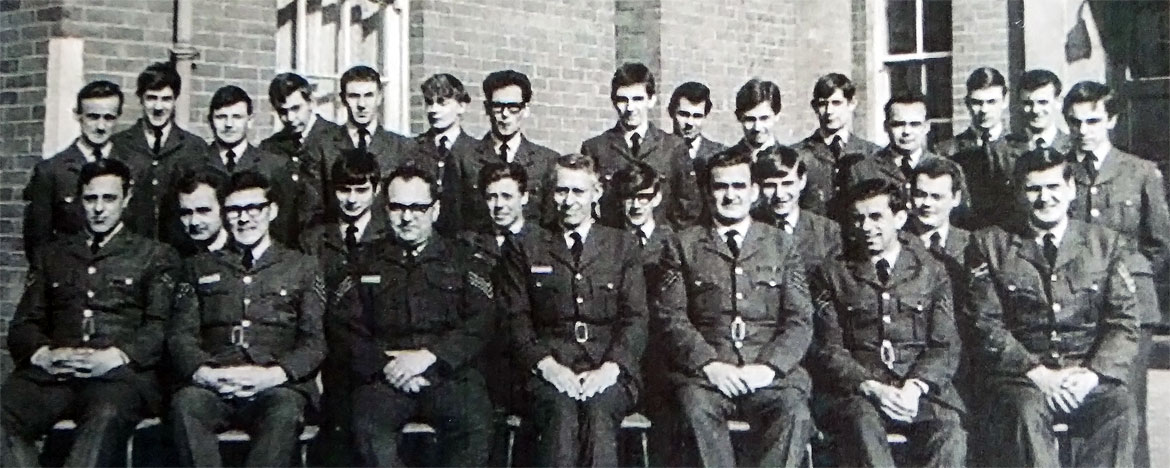
Back Row (L to R)
SACs SKEAT, WILSON, JAMIESON, BUCKLAND, LAC HAWSON, SACs STEVENSON, CRUTCHFIELD,
LAC GAFFNEY, SACs SMITH, BOWL, TWOMEY, HOLDEN, GRITT, SHANNON, JOHNSTON.
Centre Row
SAC KAVANAGH, LAC WALKER, SACs DAVEY, COOKE, WOODWARD, WHALEN.
Front Row
Cpl BALL, Sgts ILLSLEY, LEWIS, Flt Lt KITCHENER, FS BEVERLEY, Sgt DUNNE, Cpl FORBES.
SACs SKEAT, WILSON, JAMIESON, BUCKLAND, LAC HAWSON, SACs STEVENSON, CRUTCHFIELD,
LAC GAFFNEY, SACs SMITH, BOWL, TWOMEY, HOLDEN, GRITT, SHANNON, JOHNSTON.
Centre Row
SAC KAVANAGH, LAC WALKER, SACs DAVEY, COOKE, WOODWARD, WHALEN.
Front Row
Cpl BALL, Sgts ILLSLEY, LEWIS, Flt Lt KITCHENER, FS BEVERLEY, Sgt DUNNE, Cpl FORBES.
107 JAMC AMTS 6 APR - 29 MAY 70
From: Stephen Davey, Tadcaster, North Yorks
Subject: Whatever happened to... ?
Tony,
I have spent many a moment over the years wondering about people who I served with during my time in the RAF and for that reason I have taken a snapshot of the time I was doing my Air Movements course at RAF Abingdon in the spring of 1970. I have attached a photo of the actual course and the only other person I can remember bumping into after this was Les Bowl when I was on A Shift traffic at Brize and he was in Load control; coincidentally we were both at Hereford on the 310th Entry 1967-1968.
It's actually very difficult to remember anyone else from the course, so if I did bump into anyone it may well have been fleeting. I often wonder how many of that group are still walking God's green pastures? I am 75 now so I guess it's the law of averages isn't it?
I would certainly love to hear from anyone not only on that course but anyone that remembers me from my RAF career.
Regards, Steve Davey
Subject: Whatever happened to... ?
Tony,
I have spent many a moment over the years wondering about people who I served with during my time in the RAF and for that reason I have taken a snapshot of the time I was doing my Air Movements course at RAF Abingdon in the spring of 1970. I have attached a photo of the actual course and the only other person I can remember bumping into after this was Les Bowl when I was on A Shift traffic at Brize and he was in Load control; coincidentally we were both at Hereford on the 310th Entry 1967-1968.
It's actually very difficult to remember anyone else from the course, so if I did bump into anyone it may well have been fleeting. I often wonder how many of that group are still walking God's green pastures? I am 75 now so I guess it's the law of averages isn't it?
I would certainly love to hear from anyone not only on that course but anyone that remembers me from my RAF career.
Regards, Steve Davey

This is the Largest Aircraft in The Royal Air Force
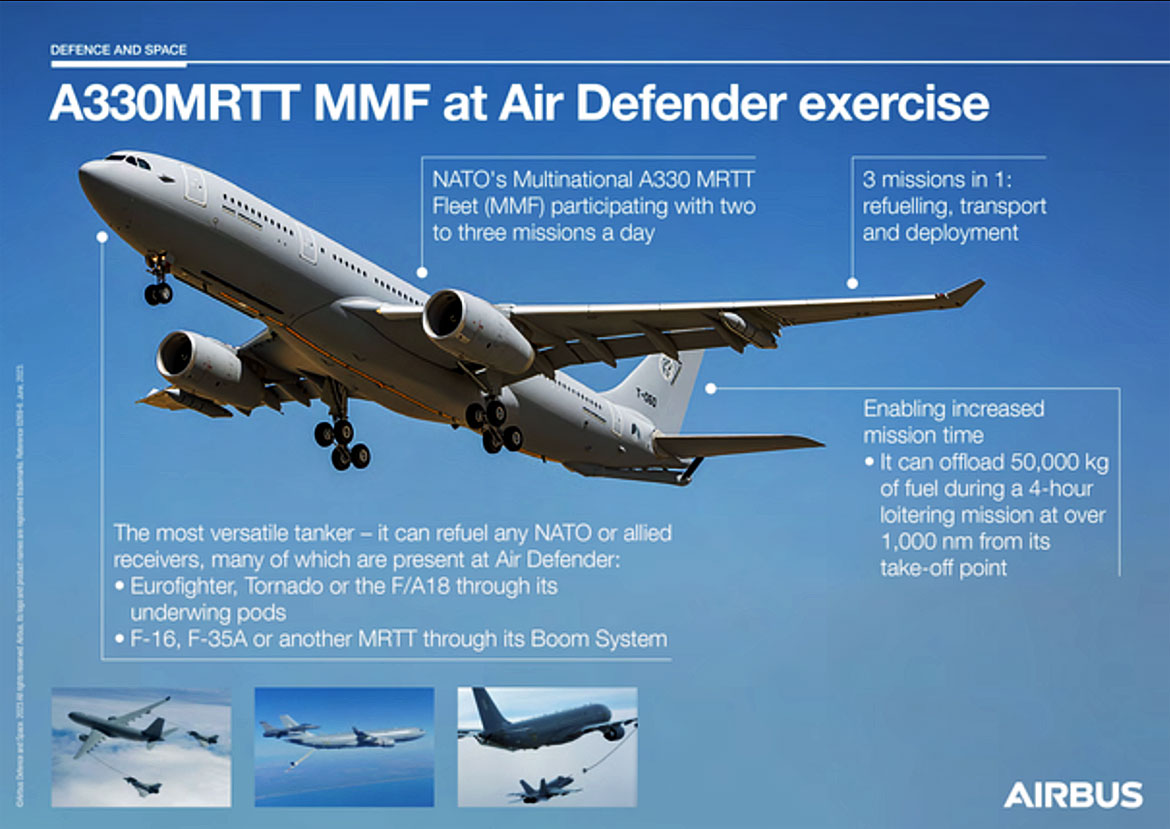
The Voyager was built by Airbus Defence and Space to fulfill an important strategic mission of the Royal Air Force (RAF): air-to-air refueling and transport. The RAF has a small fleet, distributed between two squadrons with a special detachment to the Falkland Islands and a VIP-equipped variant known as Vespina.
The fourteen big jets that serve the United Kingdom (UK) are divided between KC.Mk2 and KC.Mk3 variants. Vespina is of the KC.Mk3 series and, despite its extra duties as a diplomatic transport, it is still mission-capable like the other tankers in the fleet. The Airbus model that serves as the base platform for the RAF’s Voyagers is the A330 Multirole Tanker Transport (MRTT).
simpleflying.com
The fourteen big jets that serve the United Kingdom (UK) are divided between KC.Mk2 and KC.Mk3 variants. Vespina is of the KC.Mk3 series and, despite its extra duties as a diplomatic transport, it is still mission-capable like the other tankers in the fleet. The Airbus model that serves as the base platform for the RAF’s Voyagers is the A330 Multirole Tanker Transport (MRTT).
simpleflying.com
From: Chris Goss, Booker, Marlow, Bucks
Subject: Whatever happened to... ?
Tony,
Dick Page. He and I, with Bruce Phillips, joined UKMAMS at the same time and did Mobile Course (together with another JO whose name escapes me but we called him Lord Lucan as he was never around when needed-only officer to not turn up for TACEVAL Part 1!). Last I heard from him he was in Cyprus from where he left RAF, getting his pilot's qualifications and then lived Scunthorpe way. Married to Jan
Chris
Subject: Whatever happened to... ?
Tony,
Dick Page. He and I, with Bruce Phillips, joined UKMAMS at the same time and did Mobile Course (together with another JO whose name escapes me but we called him Lord Lucan as he was never around when needed-only officer to not turn up for TACEVAL Part 1!). Last I heard from him he was in Cyprus from where he left RAF, getting his pilot's qualifications and then lived Scunthorpe way. Married to Jan
Chris

From: John Scott, Waterloo, ON
Subject: Whatever happened to… ?
Hi Tony,
Subject: Whatever happened to… ?
Hi Tony,

Whatever happened to Canadian Forces CWO Lloyd Ross? Lloyd, when I first came to know him, was the WO in charge of Movements at Gatwick under the CDLS staff. I was flying the Ash 7 on scheduled runs between Lahr and Gatwick during the period 1980-84. We became quite good friends and even had Lloyd, Donald and two kids joining us in Château-d'Œx in Switzerland for a weekend of fun and Swiss cheese!
Later, in 1984 when I was transferred back to Canada, my family had wanted to go to Wales and purchase an 8 week old Corgi. But how do we get him back to Canada? We did indeed collect the pup, then named Taffy (of course), and we drove back to Gatwick to catch the scheduled Herc flight back to Lahr before returning to Canada.
Later, in 1984 when I was transferred back to Canada, my family had wanted to go to Wales and purchase an 8 week old Corgi. But how do we get him back to Canada? We did indeed collect the pup, then named Taffy (of course), and we drove back to Gatwick to catch the scheduled Herc flight back to Lahr before returning to Canada.

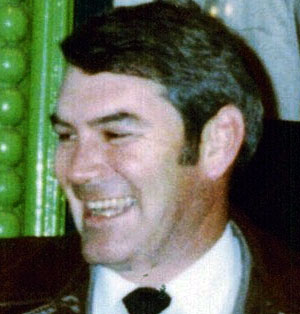
Lloyd graciously offered to host young Taffy for several days until, would you believe it, a C130 was operating through Gatwick on its way back to Trenton! Taffy enjoyed his visit with the Ross’s and sure enough Taffy became a C130 crew member and arrived in Trenton, and, as crew, passed through Customs without a wrinkle. Taffy, traded in his Welsh heritage and enjoyed 17 years as a member of Canadian society. But, where is Lloyd today?
From: Dave Wilkin, Romford, Essex
Subject: Whatever happened to... ?
Tony,
I will start with Buzz Berzins - was on C Shift Lyneham, Dec 1965. Did No.10 JMC at Kirton in '63. Believed he moved to Canada to join the RCAF.
Peter Burns - Movements Gutersloh 1968/69, also Ex Bersatu Padu in 1970. May have done other Movs postings.
Tony Singleton - last seen by myself at Abingdon. Other reports of him in Aden, FEAF Changi in the 70's and the Zambian Oil Lift.
All the above are ex-39th Entry Boy Entrants with service numbers starting 1940
Or any others from the 39th who I may have missed...
Subject: Whatever happened to... ?
Tony,
I will start with Buzz Berzins - was on C Shift Lyneham, Dec 1965. Did No.10 JMC at Kirton in '63. Believed he moved to Canada to join the RCAF.
Peter Burns - Movements Gutersloh 1968/69, also Ex Bersatu Padu in 1970. May have done other Movs postings.
Tony Singleton - last seen by myself at Abingdon. Other reports of him in Aden, FEAF Changi in the 70's and the Zambian Oil Lift.
All the above are ex-39th Entry Boy Entrants with service numbers starting 1940
Or any others from the 39th who I may have missed...

SKYNET 2B – TO INFINITY AND BEYOND...
From: Ian Berry, Eastleaze, Swindon, Wilts
Subject: Skynet 2B
Subject: Skynet 2B
Until 1969, only the USA and USSR operated military communications satellites. However, that year, the UK had its first military communications satellite built by Marconi in Portsmouth. It was launched that year from Cape Canaveral in Florida utilising a US built Thor Delta rocket. The satellite system was called Skynet and this was the launch of Skynet 1. In January 1974, a second satellite was built, Skynet 2, and was launched by another Delta rocket from Canaveral. Sadly, the rocket malfunctioned and so a third satellite was built. The planned launch of Skynet 2B was planned for that November.
That month, my team was tasked to deploy to Cape Canaveral Air Station and recover all the satellite test equipment and transit packaging used to deploy the satellite from the UK. The plan was to palletise all this equipment on behalf of Marconi and recover it on a Belfast C1 back to UK. We would fly it to RAF Thorney Island, the nearest airfield to Portsmouth. Consequently we deployed on Belfast XR367 (Heracles) with the recovery equipment we needed and headed for Patrick AFB, near Cocoa Beach, Florida. This was on the 18th November.
All went well on the next leg, but as we progressed with a quick refuelling stop in Bermuda, the Florida weather had deteriorated and we were unable to land at Patrick AFB. Eventually we diverted to Shaw AFB, near Sumter in South Carolina. None of us had been to this base before and it transpired it was a huge base for RF-4C Phantoms operating in the reconnaissance role. As we taxied past them the line of aircraft seemed endless. After our previous night of socialising this one was more subdued, possibly because there was a lack of bars!
The next day (20th), all was good and we arrived at Patrick AFB quite early in the day. Transport was already there to collect the equipment we had brought and we offloaded the Belfast with the assistance of the other team. This enabled the Team Leader and FSgt to visit the local car hire firm and rent two cars. As the day progressed we followed the USAF transport in our rentals to Cape Canaveral Air Station, not too far away. Once there we arrived at an installation where the satellite had been prepared for launch and the test equipment to be recovered to UK was housed.
That month, my team was tasked to deploy to Cape Canaveral Air Station and recover all the satellite test equipment and transit packaging used to deploy the satellite from the UK. The plan was to palletise all this equipment on behalf of Marconi and recover it on a Belfast C1 back to UK. We would fly it to RAF Thorney Island, the nearest airfield to Portsmouth. Consequently we deployed on Belfast XR367 (Heracles) with the recovery equipment we needed and headed for Patrick AFB, near Cocoa Beach, Florida. This was on the 18th November.
All went well on the next leg, but as we progressed with a quick refuelling stop in Bermuda, the Florida weather had deteriorated and we were unable to land at Patrick AFB. Eventually we diverted to Shaw AFB, near Sumter in South Carolina. None of us had been to this base before and it transpired it was a huge base for RF-4C Phantoms operating in the reconnaissance role. As we taxied past them the line of aircraft seemed endless. After our previous night of socialising this one was more subdued, possibly because there was a lack of bars!
The next day (20th), all was good and we arrived at Patrick AFB quite early in the day. Transport was already there to collect the equipment we had brought and we offloaded the Belfast with the assistance of the other team. This enabled the Team Leader and FSgt to visit the local car hire firm and rent two cars. As the day progressed we followed the USAF transport in our rentals to Cape Canaveral Air Station, not too far away. Once there we arrived at an installation where the satellite had been prepared for launch and the test equipment to be recovered to UK was housed.
We were slightly taken aback when the Marconi Rep told us we couldn’t start preparing or recovering any of the equipment yet – the reason being the launch hadn’t happened yet and was not due until the 23rd! How sad, an enforced stop in Florida!
It just got better when the Facilities Manager advised us that there was to be a rocket launch the following evening and we were welcome to watch it from the roof of his facility. Once we had done what we could in advance, we then adjourned to our Motel which was in Cocoa Beach.
With time on our hands and hire cars too, we explored what the local area had to offer. Cocoa Beach is a very pleasant small town and most of its occupants seemed to be involved with NASA or rocketry. Most of the bars had that theme too. There were also some fantastic beaches which ran down and passed Patrick AFB. The whole area was known as the Satellite Coast.
That evening, we were back at the Cape Canaveral facility where Marconi was operating from. As promised we were allowed onto the roof of this six storey facility. The launch was scheduled for 23.45, by which time it was obviously dark. The rocket, which was due to launch from Complex 36, was an Atlas Centaur Rocket. The payload was an Intelsat communications satellite.
I estimate we were just some two miles away from the launch pad itself and as everything was floodlit the visibility was good. The launch went without a hitch and the whole experience was unbelievable. I just could not believe what I had witnessed and how close to it as well, I must write about it someday! Shortly after things quietened down we thanked our host and retired to the Motel for a “Sundowner” before bed.
The next day (22nd) was another free day, what to do, we thought at breakfast. The waitress mentioned that in Orlando, some 60 miles away, Disneyworld had opened some 18 months before.
Say no more! After breakfast, three of us piled into one of the hire cars and off we went. The roads and route was so simple we were there within 75 minutes. Yet another experience of a lifetime and totally unplanned. It was quite sad to reflect that the other three of our team were not as adventurous and got as far as the nearest bar! I’m sure we three all came back with “Mickey Mouse” hats, just to rub it in!
It just got better when the Facilities Manager advised us that there was to be a rocket launch the following evening and we were welcome to watch it from the roof of his facility. Once we had done what we could in advance, we then adjourned to our Motel which was in Cocoa Beach.
With time on our hands and hire cars too, we explored what the local area had to offer. Cocoa Beach is a very pleasant small town and most of its occupants seemed to be involved with NASA or rocketry. Most of the bars had that theme too. There were also some fantastic beaches which ran down and passed Patrick AFB. The whole area was known as the Satellite Coast.
That evening, we were back at the Cape Canaveral facility where Marconi was operating from. As promised we were allowed onto the roof of this six storey facility. The launch was scheduled for 23.45, by which time it was obviously dark. The rocket, which was due to launch from Complex 36, was an Atlas Centaur Rocket. The payload was an Intelsat communications satellite.
I estimate we were just some two miles away from the launch pad itself and as everything was floodlit the visibility was good. The launch went without a hitch and the whole experience was unbelievable. I just could not believe what I had witnessed and how close to it as well, I must write about it someday! Shortly after things quietened down we thanked our host and retired to the Motel for a “Sundowner” before bed.
The next day (22nd) was another free day, what to do, we thought at breakfast. The waitress mentioned that in Orlando, some 60 miles away, Disneyworld had opened some 18 months before.
Say no more! After breakfast, three of us piled into one of the hire cars and off we went. The roads and route was so simple we were there within 75 minutes. Yet another experience of a lifetime and totally unplanned. It was quite sad to reflect that the other three of our team were not as adventurous and got as far as the nearest bar! I’m sure we three all came back with “Mickey Mouse” hats, just to rub it in!
Finally, we arrived at the day of the launch of our own satellite (23rd). It was due to launch early evening. Just to confirm the recovery plan we visited Base Ops at Patrick AFB as the recovery Belfast was arriving there the following day and night stopping as no aircraft were allowed to stay overnight at Skid Strip as the Canaveral Airfield was known. Whilst we were there one of the last Comet C2R aircraft of 51 Squadron RAF Wyton arrived, it was carrying the AOC Support Command who was attending the launch. Not wanting to get involved we moved on to Canaveral to agree start timings the next day with the Marconi Party.
We then carried on up the coast road (secure and inside the complex) and paid a visit to the NASA Complex which is Cape Kennedy. To this day ALL civilian launches take place on Cape Kennedy and Military from Cape Canaveral. We drove out to Launch Pads 39A & 39B which were from where the Saturn V Moon Launches (Apollo) took place from. To this day I can remember Neil Armstrong stepping out on the moon in July 1969. I watched it on TV in a cafe in Malta, where I was on two weeks R&R from RAF El Adem in Libya.
Further down the deserted road we came across yet another unbelievable sight. There on the side of the road was a complete Saturn V rocket. The size of the thing was really impressive. For the ultimate Kodak moment both my pal and I took turns at standing in one of the venturi and taking a picture (all the time I was thinking to myself, “Just over five years ago astronauts flew in one of these to the moon”). Being on our best behaviour, we did not remove anything as a souvenir for the crew room!
(Many years later whilst my family were young we spent many a holiday in Orlando and visited the Disney Complex. I/We have also visited the Kennedy Space Centre complex and now one of their major attractions inside is the very same Saturn V rocket we freely clambered over.)
By mid-afternoon all our chores were finished and we were making the most of our unforeseen free time. I do recall standing on the beach outside the back of our Motel, cocktail in hand, waiting for and then watching the successful launch of Skynet 2B. This took place on a beautiful clear evening north of our location and the launch was once again impressive. It also meant the fun was over and down to business the following day.
We then carried on up the coast road (secure and inside the complex) and paid a visit to the NASA Complex which is Cape Kennedy. To this day ALL civilian launches take place on Cape Kennedy and Military from Cape Canaveral. We drove out to Launch Pads 39A & 39B which were from where the Saturn V Moon Launches (Apollo) took place from. To this day I can remember Neil Armstrong stepping out on the moon in July 1969. I watched it on TV in a cafe in Malta, where I was on two weeks R&R from RAF El Adem in Libya.
Further down the deserted road we came across yet another unbelievable sight. There on the side of the road was a complete Saturn V rocket. The size of the thing was really impressive. For the ultimate Kodak moment both my pal and I took turns at standing in one of the venturi and taking a picture (all the time I was thinking to myself, “Just over five years ago astronauts flew in one of these to the moon”). Being on our best behaviour, we did not remove anything as a souvenir for the crew room!
(Many years later whilst my family were young we spent many a holiday in Orlando and visited the Disney Complex. I/We have also visited the Kennedy Space Centre complex and now one of their major attractions inside is the very same Saturn V rocket we freely clambered over.)
By mid-afternoon all our chores were finished and we were making the most of our unforeseen free time. I do recall standing on the beach outside the back of our Motel, cocktail in hand, waiting for and then watching the successful launch of Skynet 2B. This took place on a beautiful clear evening north of our location and the launch was once again impressive. It also meant the fun was over and down to business the following day.
All the equipment we were tasked to recover for Marconi was in the same building on Cape Canaveral. Parts of the test equipment included rather large electronic consoles but the preparation of the aircraft pallets was made much easier as the preparation room we were using contained an overhead gantry. One of the team was tasked with monitoring the weight of each item and compiling manifests. On completion, we had built 10 aircraft pallets of equipment.
A “trial trim” was also calculated and then the pallets marked in sequence of loading. They were finally loaded onto trailers which were rollered and in the morning, once at the airfield, they would be transferred on to a ubiquitous Condec 25k Aircraft Loader provided by the USAF and operated by ourselves.
The airfield at Cape Canaveral Air Station is known as Skid Strip. It is in constant use even today and is where most military missiles and rockets are flown in to. This was NOT the runway used to receive the Space Shuttle however, which is located on Cape Kennedy. All was now ready for the arrival of the Belfast tasked to recover the load back to UK.
On the 25th we sadly vacated the Motel and in gratitude to our excellent hosts presented them with a Squadron Plaque. Then on to Patrick AFB to return the rentals and then, on time, Belfast XR363 (Goliath) arrived. As there are limited facilities at Skid Strip, the aircraft was partially refuelled, took on in-flight catering and some minor maintenance. The flight on to Skid Strip took 15 minutes! As we had already prepared the manifests and documentation in advance the crew were aware of their ZFW (Zero Fuel Weight) and able to calculate a fuel figure and requirement.
The physical loading of the aircraft was pretty straightforward and no real problems encountered. Without the use of a 25k Condec and the height of the aircraft sill, the loading of pallets would have been a nightmare. My log book shows that the loading was completed in 90 minutes as from landing to departing Skid Strip was only 2hrs 15mins. This obviously put us in the “good books” with the operating crew as those readers who flew for a living know how “tetchy” they get when delayed!
We then departed Canaveral and headed for Charleston AFB, some 1hr 10mins flying time away to take on board our full requirement of fuel. From there we headed on to Bermuda and night stopped. From there we flew on to Lajes NAS for a quick fuel stop (and duty free collection from the Class 6 Liquor Store. Finally, just over five hours later, we arrived at RAF Thorney Island.
A “trial trim” was also calculated and then the pallets marked in sequence of loading. They were finally loaded onto trailers which were rollered and in the morning, once at the airfield, they would be transferred on to a ubiquitous Condec 25k Aircraft Loader provided by the USAF and operated by ourselves.
The airfield at Cape Canaveral Air Station is known as Skid Strip. It is in constant use even today and is where most military missiles and rockets are flown in to. This was NOT the runway used to receive the Space Shuttle however, which is located on Cape Kennedy. All was now ready for the arrival of the Belfast tasked to recover the load back to UK.
On the 25th we sadly vacated the Motel and in gratitude to our excellent hosts presented them with a Squadron Plaque. Then on to Patrick AFB to return the rentals and then, on time, Belfast XR363 (Goliath) arrived. As there are limited facilities at Skid Strip, the aircraft was partially refuelled, took on in-flight catering and some minor maintenance. The flight on to Skid Strip took 15 minutes! As we had already prepared the manifests and documentation in advance the crew were aware of their ZFW (Zero Fuel Weight) and able to calculate a fuel figure and requirement.
The physical loading of the aircraft was pretty straightforward and no real problems encountered. Without the use of a 25k Condec and the height of the aircraft sill, the loading of pallets would have been a nightmare. My log book shows that the loading was completed in 90 minutes as from landing to departing Skid Strip was only 2hrs 15mins. This obviously put us in the “good books” with the operating crew as those readers who flew for a living know how “tetchy” they get when delayed!
We then departed Canaveral and headed for Charleston AFB, some 1hr 10mins flying time away to take on board our full requirement of fuel. From there we headed on to Bermuda and night stopped. From there we flew on to Lajes NAS for a quick fuel stop (and duty free collection from the Class 6 Liquor Store. Finally, just over five hours later, we arrived at RAF Thorney Island.
The Station Air Movements Flight provided us with assistance and handling equipment. For them to be working on such a large aircraft as a Belfast was quite a novelty. Eventually, we arrived back at Brize Norton then a coach trip back to Lyneham for my team.
Even now, some 52 years after this task, the memories are still strong. So many unbelievable events occurred and sights I never thought I would see. “Join the Navy and see the world?” They got it wrong!
Footnote, February 2026 - the article was originally written in 2020 for my local Aviation Group, and worded to suit that audience.
As of today, the Americans are forging ahead with their ARTEMIS Project, a return to the Moon. For those not into mythology ARTEMIS was the twin sister of APOLLO.
The UKMAMS SKYNET Team consisted of Fg Off Jeremy Hidden, FSgt Terry Hoy, Sgt Ian Berry, Cpls Lionel Earnden and Steve Broadhurst and SAC Alan Webb.
To view the complete article, with photos, go here: OBB #022826
Even now, some 52 years after this task, the memories are still strong. So many unbelievable events occurred and sights I never thought I would see. “Join the Navy and see the world?” They got it wrong!
Footnote, February 2026 - the article was originally written in 2020 for my local Aviation Group, and worded to suit that audience.
As of today, the Americans are forging ahead with their ARTEMIS Project, a return to the Moon. For those not into mythology ARTEMIS was the twin sister of APOLLO.
The UKMAMS SKYNET Team consisted of Fg Off Jeremy Hidden, FSgt Terry Hoy, Sgt Ian Berry, Cpls Lionel Earnden and Steve Broadhurst and SAC Alan Webb.
To view the complete article, with photos, go here: OBB #022826
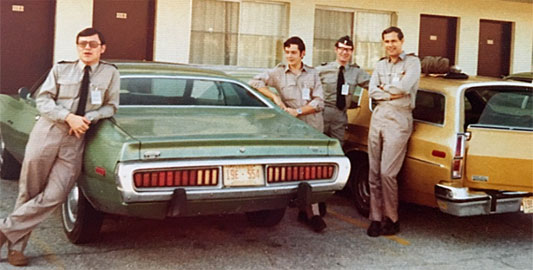
Vacating the Bates Motel - note the cars!


From: Robbie James, Barnstaple, Devon
Subject: Whatever happened to... ?
Tony,
Funny you should mention this, as I was only thinking the other day about my old team mates from UKMAMS days. I still keep in regular contact with Chas Clark, who now lives in Huntsville, Ontario.
All as young bachelors we lived in the mess at Abingdon; Nigel Healy, John Furney, Chris Heyland, Dave Powell, John Beadman, Bill Halford and Nigel Saunders. It's nearly 60 years ago since those halcyon days.
Chas Clark was my best man, and John Furney, Chris Heyland and John Beadman were ushers at my wedding. Wondering where they are today, and what they are doing. Any news of their whereabouts would be great, as well as anyone else who remembers me from Abingdon and from NEAF MAMS, Akrotiri.
Best regards, Robbie
Subject: Whatever happened to... ?
Tony,
Funny you should mention this, as I was only thinking the other day about my old team mates from UKMAMS days. I still keep in regular contact with Chas Clark, who now lives in Huntsville, Ontario.
All as young bachelors we lived in the mess at Abingdon; Nigel Healy, John Furney, Chris Heyland, Dave Powell, John Beadman, Bill Halford and Nigel Saunders. It's nearly 60 years ago since those halcyon days.
Chas Clark was my best man, and John Furney, Chris Heyland and John Beadman were ushers at my wedding. Wondering where they are today, and what they are doing. Any news of their whereabouts would be great, as well as anyone else who remembers me from Abingdon and from NEAF MAMS, Akrotiri.
Best regards, Robbie

From: Scott Simmons, Trenton, ON
Subject: Whatever happened to... ?
Hey Guys,
I was looking for contact info on a John “Doddzie” Dodds, UK Air Movements guy who was my Flt Sgt in KAF in late July ‘08 - early 2009 Feb. I gave him a Canadian hockey jersey and he gave me a Scottish football scarf. He kept me positive and together over there and I hope he is doing well. Any contact info would be great so I can say Hi.
Scott “Scottie” Simmons
WO Ret’d Trng & Stds CC177 Chief Check
2 Air Mov Sqn
Subject: Whatever happened to... ?
Hey Guys,
I was looking for contact info on a John “Doddzie” Dodds, UK Air Movements guy who was my Flt Sgt in KAF in late July ‘08 - early 2009 Feb. I gave him a Canadian hockey jersey and he gave me a Scottish football scarf. He kept me positive and together over there and I hope he is doing well. Any contact info would be great so I can say Hi.
Scott “Scottie” Simmons
WO Ret’d Trng & Stds CC177 Chief Check
2 Air Mov Sqn

From: Fred Martin, Godalming, Surrey
Subject: Whatever happened to... ?
Hi Tony ,
I was wondering whatever happened to all the people who served with me at Air Movs Khormaksar from August 1961 to 1963. There does not seem to be anyone whose name I recognise currently on this site. I have been in touch with one other old bod via the Aden Veterans site but that’s about it. Long time ago but hopefully a few of us are still around
Best wishes, Fred
Subject: Whatever happened to... ?
Hi Tony ,
I was wondering whatever happened to all the people who served with me at Air Movs Khormaksar from August 1961 to 1963. There does not seem to be anyone whose name I recognise currently on this site. I have been in touch with one other old bod via the Aden Veterans site but that’s about it. Long time ago but hopefully a few of us are still around
Best wishes, Fred

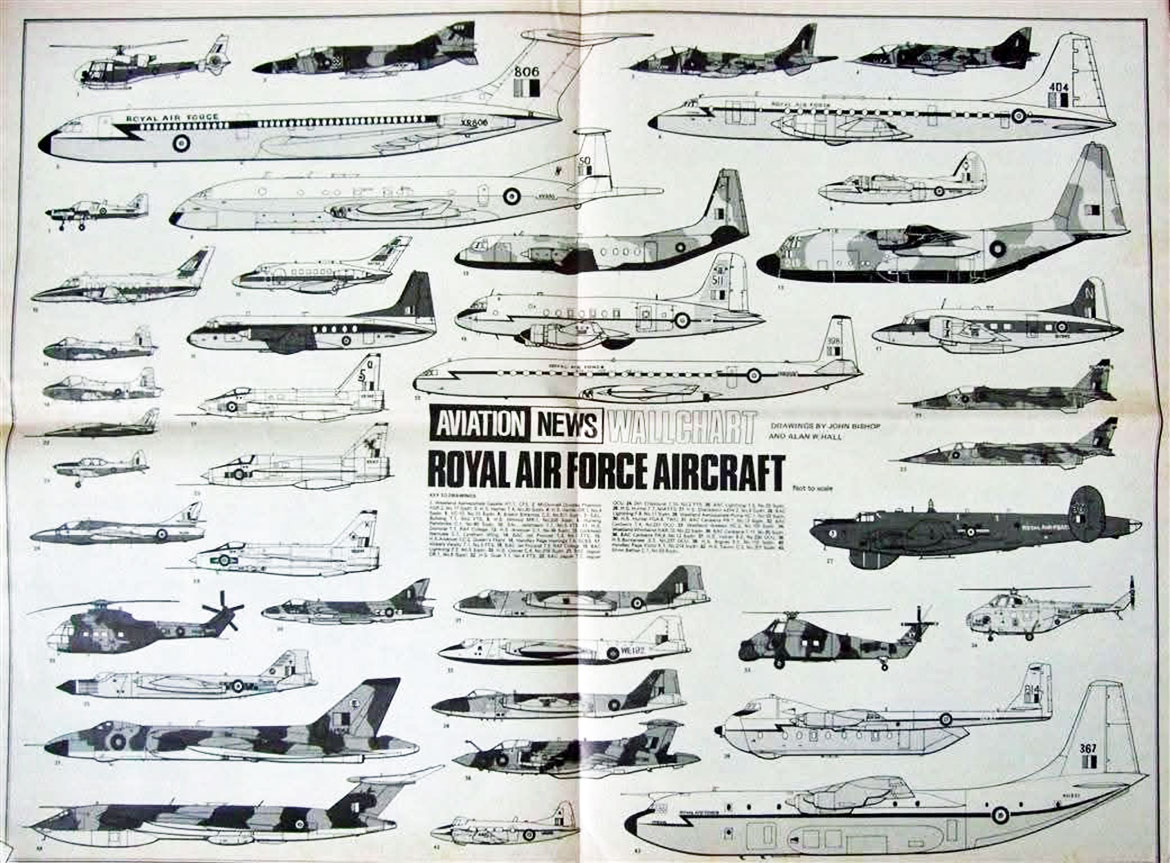
Aircraft Types in the Royal Air Force during the Cold War
Just as an aside - the RAF personnel during the cold war were
about 150,000, as compared to today with just 32,000 full time
about 150,000, as compared to today with just 32,000 full time
From: Nick Price, Cheltenham, Glos
Subject: Whatever happened to… ?
Subject: Whatever happened to… ?


Two ex-RAF Air Movers from Gutersloh, 1966
Dave dropped in on Bert's surprise 85th birthday party.
Whatever happened to them?
Dave dropped in on Bert's surprise 85th birthday party.
Whatever happened to them?
From: Mike McCann, Harrogate, North Yorks
Subject: Whatever happened to... ?
Morning Tony,
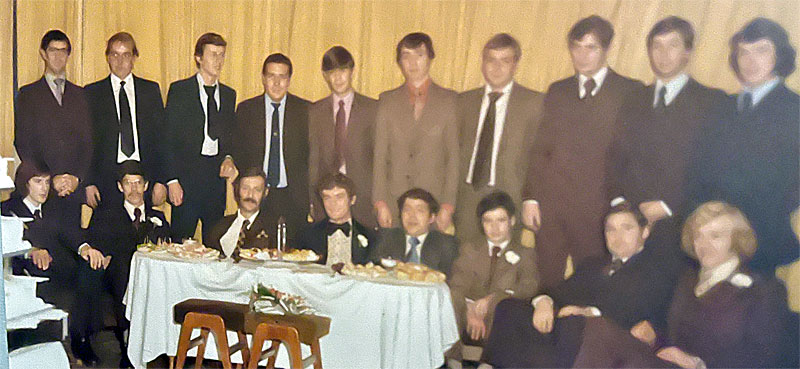
Just had one of those moments on recent of your mail; The occasion is my wedding day in Leeds, 3 Nov 1973. In the photo are a few Movers (some from A-shift traffic at BZN) and Suppliers, just as TG18 split. Who do we recognise and where are they now? I do know that Alan (Geordie) Pattinson died some years ago, but the rest? Oh and there are a number of red herrings (civilians) there too!
Subject: Whatever happened to... ?
Morning Tony,
Just had one of those moments on recent of your mail; The occasion is my wedding day in Leeds, 3 Nov 1973. In the photo are a few Movers (some from A-shift traffic at BZN) and Suppliers, just as TG18 split. Who do we recognise and where are they now? I do know that Alan (Geordie) Pattinson died some years ago, but the rest? Oh and there are a number of red herrings (civilians) there too!
From: Colin Savill, Tuxford, Notts
Subject: Whatever happened to... ?
Tony
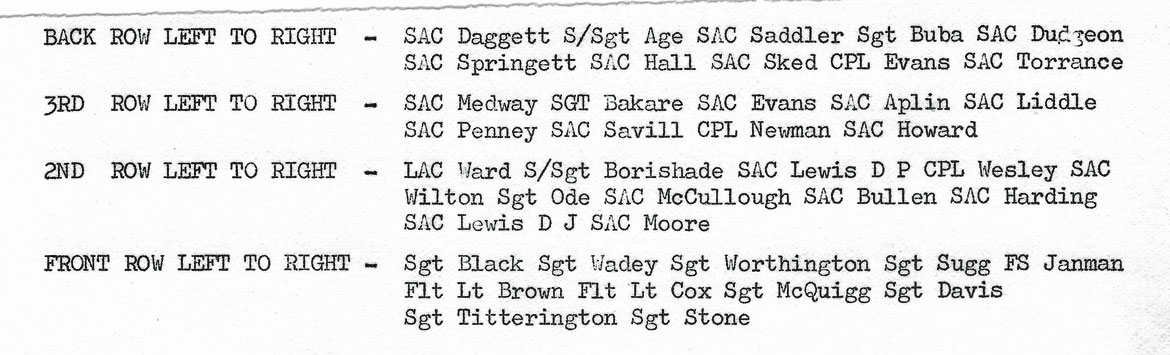
A couple of blasts from my movements courses, way long ago...
Subject: Whatever happened to... ?
Tony
A couple of blasts from my movements courses, way long ago...

No.1 Mov Ops RAF Abingdon 14 Feb - 18 May 1972

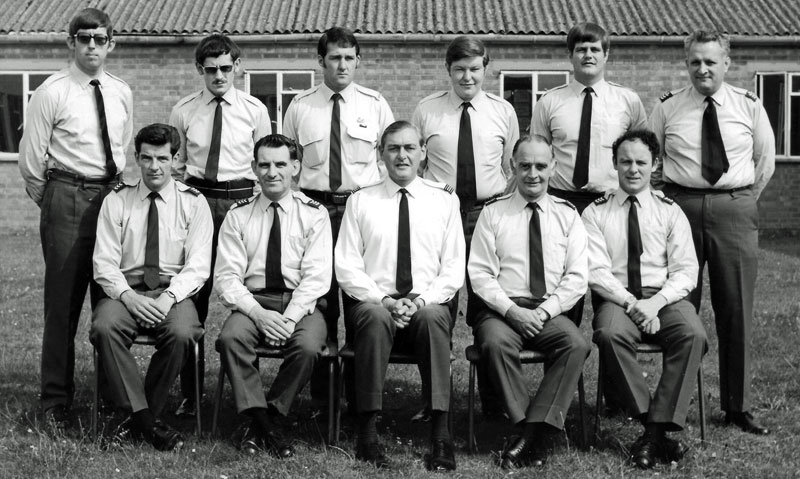
No. 6 Mov Controllers course RAF Brize Norton 1 Aug - 4 Sep 1973
Back: Phil Woolerton, George Marek, Bob O'Brian (RAAF), Colin Savill, Matt Helm, Ron Markinch,
Front: Charlie Cormack, Don Harris, S/Ldr Harries, Jack Jarman, John McQuigg
Front: Charlie Cormack, Don Harris, S/Ldr Harries, Jack Jarman, John McQuigg
From: Phil Overson, Broad Hinton, Wilts
Subject: Whatever happened to... ?
Dear Tony,
Thanks for the latest edition of the OBA newsletter, always a very interesting read. I'd like to suggest some names to the "Whatever Happened To" section of the next issue if I may - all of whom I worked and socialised with during my time on UKMAMS in the 90's
I wonder if any of your readership can shed light on the current whereabouts of the following Mover mates;
Neil Cook
Steve Walke
Nick Latham
Nick Leach
Bobble Roberts
Phil Mooney
Trev Furzey
Chris Hoskison
Jon Pert
I shared memorable days and nights with these lads from basic training at Swinderby right through to my MAMS swansong back in the day and I'd be interested to hear what they're up to now.
I know that's a lot of names but you did ask!
With very best wishes,
Phil Overson
Kilo team '91-'96
Subject: Whatever happened to... ?
Dear Tony,
Thanks for the latest edition of the OBA newsletter, always a very interesting read. I'd like to suggest some names to the "Whatever Happened To" section of the next issue if I may - all of whom I worked and socialised with during my time on UKMAMS in the 90's
I wonder if any of your readership can shed light on the current whereabouts of the following Mover mates;
Neil Cook
Steve Walke
Nick Latham
Nick Leach
Bobble Roberts
Phil Mooney
Trev Furzey
Chris Hoskison
Jon Pert
I shared memorable days and nights with these lads from basic training at Swinderby right through to my MAMS swansong back in the day and I'd be interested to hear what they're up to now.
I know that's a lot of names but you did ask!
With very best wishes,
Phil Overson
Kilo team '91-'96
From: Mick Cocker, Swindon, Wilts
Subject: Whatever happened to... ?
Hi Tony,
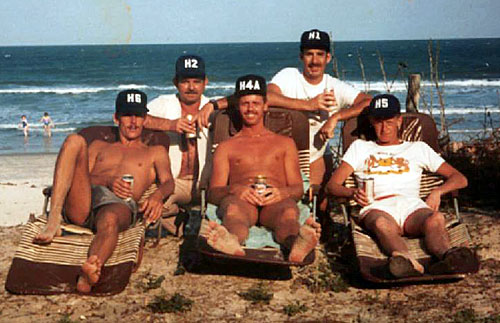
Funnily enough, I was talking to someone the other week about this chap, John Farrelly (JF, or to some "The Horse"... don't ask!). We spent some time together on "Hotel" team, UKMAMS, back in the mid 80's. Had some great times together, always a laugh, particularly when we shared a Condo in Cocoa Beach for the AUTEC task back in 1985, along with Andy Kime, Don Milburn, Dave Roberts and Paul Rackley (MAMS Eng).
That same year we'd done Ethiopia, Nairobi, then on to Florida, a busy first half of the year. He'd done a tour in Germany prior to his posting back to MAMS and was quite well known in the trade. In 1986 he was living with a girl in Swindon and moved on to Load Plans for a bit of home life for a while. At that time I was posted to Hendon, then Akrotiri and completely lost touch with him. By the time I came back in 1992 he had left the RAF and apparently moved back up to the Sheffield area (his home town). He seems to have disappeared off the face of the earth, but it would be great to get him to one of the reunions. I'm sure quite a few people would like to catch up with him.
All the best
Mick
Subject: Whatever happened to... ?
Hi Tony,
Funnily enough, I was talking to someone the other week about this chap, John Farrelly (JF, or to some "The Horse"... don't ask!). We spent some time together on "Hotel" team, UKMAMS, back in the mid 80's. Had some great times together, always a laugh, particularly when we shared a Condo in Cocoa Beach for the AUTEC task back in 1985, along with Andy Kime, Don Milburn, Dave Roberts and Paul Rackley (MAMS Eng).
That same year we'd done Ethiopia, Nairobi, then on to Florida, a busy first half of the year. He'd done a tour in Germany prior to his posting back to MAMS and was quite well known in the trade. In 1986 he was living with a girl in Swindon and moved on to Load Plans for a bit of home life for a while. At that time I was posted to Hendon, then Akrotiri and completely lost touch with him. By the time I came back in 1992 he had left the RAF and apparently moved back up to the Sheffield area (his home town). He seems to have disappeared off the face of the earth, but it would be great to get him to one of the reunions. I'm sure quite a few people would like to catch up with him.
All the best
Mick
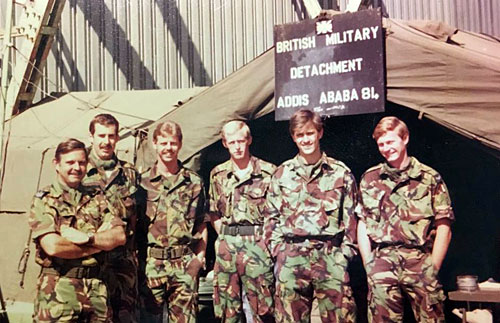
Ethiopia, JF 2nd from the right
Cocoa Beach, Florida, 1985 - JF front left
From: Peter Clayton, Wroughton, Wilts
Subject: Whatever happened to... ?
Hi Tony,
I have been trying to trace John Mahon who was at Changi with me 1967-69. I last saw John in Oxford in the 70's, his hometown was Preston. I attach a photo of John and myself enjoying a drink in Singapore.
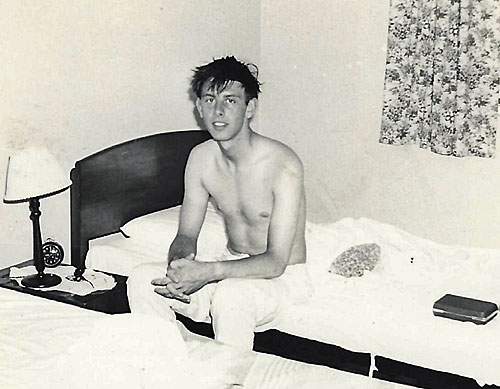
I'm also trying to trace Jack Gordon who was at Thorney Island with me in the late 60's. We last worked together in Saudi Arabia working for National Airlines. I attach a photo of Jack when we visited Singapore in around 1966.
I really hope this search brings success.
Regards Peter
Subject: Whatever happened to... ?
Hi Tony,
I have been trying to trace John Mahon who was at Changi with me 1967-69. I last saw John in Oxford in the 70's, his hometown was Preston. I attach a photo of John and myself enjoying a drink in Singapore.
I'm also trying to trace Jack Gordon who was at Thorney Island with me in the late 60's. We last worked together in Saudi Arabia working for National Airlines. I attach a photo of Jack when we visited Singapore in around 1966.
I really hope this search brings success.
Regards Peter

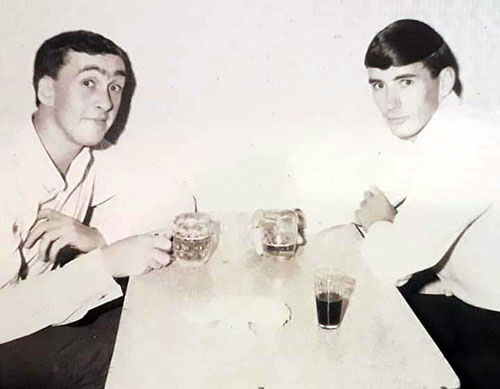
John Mahon and I enjoying a brew in Singapore
Jack Gordon, Singapore, 1966
Tucked in or tucked out?
From: Colin Eyre, Bridgend, Glamorgan
Subject: Whatever happened to... ?
Hi Tony,
Akrotiri 1967 - Fg Off Sid Stones was a DAMO on our shift when I was posted back to Abingdon. I have never heard if he stayed in the movement’s world. However last year John Furney submitted a photo of his senior movements course and in the front row was a Fg Off Stones. Could he be that same officer? In that same photo was Chris Levy who later on became the Flt Sgt on E team.
Rgds, Colin
Subject: Whatever happened to... ?
Hi Tony,
Akrotiri 1967 - Fg Off Sid Stones was a DAMO on our shift when I was posted back to Abingdon. I have never heard if he stayed in the movement’s world. However last year John Furney submitted a photo of his senior movements course and in the front row was a Fg Off Stones. Could he be that same officer? In that same photo was Chris Levy who later on became the Flt Sgt on E team.
Rgds, Colin


Ian Berry had some insight about a few chaps that have been mentioned above:
John Beadman – Was a Sqn Ldr in March 1991.
Tony Bradley – Finished as a Cpl and left 6 May 1988
Neil Cook – Last met him at RAF Leeming, originates from Middlesborough and may now live there.
John Furney – Member of the OBA. Lives in Twyning, Glos. https://ukmamsoba.org/members_a_f.htm
Nigel Healey – NVOP Healey served 13 years in Oman after retiring. Then moved to Cumbria.
Chris Heyland – Was DSAMO Akrotiri and Brize Norton. Sqn Ldr in Mar 1991.
Chris Hoskison – Last saw him based Hereford as Special Forces Mover.
John Pert – Emigrated to Canada and now lives in Calgary and works at the Airport.
David Powell – Member of the OBA and lives in Bucks. https://ukmamsoba.org/members_m_r.htm
John Beadman – Was a Sqn Ldr in March 1991.
Tony Bradley – Finished as a Cpl and left 6 May 1988
Neil Cook – Last met him at RAF Leeming, originates from Middlesborough and may now live there.
John Furney – Member of the OBA. Lives in Twyning, Glos. https://ukmamsoba.org/members_a_f.htm
Nigel Healey – NVOP Healey served 13 years in Oman after retiring. Then moved to Cumbria.
Chris Heyland – Was DSAMO Akrotiri and Brize Norton. Sqn Ldr in Mar 1991.
Chris Hoskison – Last saw him based Hereford as Special Forces Mover.
John Pert – Emigrated to Canada and now lives in Calgary and works at the Airport.
David Powell – Member of the OBA and lives in Bucks. https://ukmamsoba.org/members_m_r.htm
Operation Bushel - Ethiopia, 1984 - 1985
Operation Roving Deposit

From: Tony Street, Fort Erie, ON
Subject: Operation Roving Deposit
Subject: Operation Roving Deposit
In April, 1962, I was sent to 435 Sqn, Edmonton, on temporary duty for a month. We were to fly into the Arctic and set up a base camp at Mould Bay (early Spring -20ºF to -40ºF). We, in Dakota 587 and another crew in Dakota 200, both on skis, flew missions to various fuel caches around the Arctic. My Aircraft Commander, hereinafter referred to as the Skipper, was also the Mission Commander. I have not mentioned names for reasons that will become obvious.
Mould Bay is a joint US/Canadian weather station on Prince Patrick Island with a normal compli-ment of six. We upped it to about 60 during our stay. Talk about culture shock!
"Operation Roving Deposit" as it was called, was organized to prepare avgas fuel caches for use by the Army Engineering Corps who were to come up in the summer and re-survey the Arctic, as during WWII the maps were found to be very inaccurate, as we will see later.
We would roll 45-gallon drums of avgas up two long pipes that formed a loading ramp, into the aircraft, secure them and fly off to these caches. The quantity of drums was dictated by the distance to the cache as we always took off with full fuel (808 US gallons). We also carried a large 400 lb box of canned goods and rations that was substantially over-and-above those found in the standard survival kit. The Skipper: "If we go down, we'll be the best fed survivors in Arctic history, we'll gain weight!" As a result, we routinely took off overweight (31-32,000 lbs. Maximum authorized weight in those days was 29,500 lbs, if I recall correctly).
Upon arrival at the cache, we would land on sea ice (an operation in itself), taxi up onto the shore of the island, I would jump out of the aircraft, shovel down to gravel to ensure that we were, in fact, on the island. Then, with the co-jo at the wheel monitoring the engines (we always left the engines running when away from base), the remainder of the crew would untie the drums and roll them down the pipes onto the beach. There we would set them bungs-up (so the water would freeze in the bottom) strap them together and erect a red flag so as to identify them when they got covered in snow. (In the Arctic, any fuel cache is "public property." If you needed fuel badly, you would land, refuel and report it immediately to the appropriate authorities.)
Mould Bay is a joint US/Canadian weather station on Prince Patrick Island with a normal compli-ment of six. We upped it to about 60 during our stay. Talk about culture shock!
"Operation Roving Deposit" as it was called, was organized to prepare avgas fuel caches for use by the Army Engineering Corps who were to come up in the summer and re-survey the Arctic, as during WWII the maps were found to be very inaccurate, as we will see later.
We would roll 45-gallon drums of avgas up two long pipes that formed a loading ramp, into the aircraft, secure them and fly off to these caches. The quantity of drums was dictated by the distance to the cache as we always took off with full fuel (808 US gallons). We also carried a large 400 lb box of canned goods and rations that was substantially over-and-above those found in the standard survival kit. The Skipper: "If we go down, we'll be the best fed survivors in Arctic history, we'll gain weight!" As a result, we routinely took off overweight (31-32,000 lbs. Maximum authorized weight in those days was 29,500 lbs, if I recall correctly).
Upon arrival at the cache, we would land on sea ice (an operation in itself), taxi up onto the shore of the island, I would jump out of the aircraft, shovel down to gravel to ensure that we were, in fact, on the island. Then, with the co-jo at the wheel monitoring the engines (we always left the engines running when away from base), the remainder of the crew would untie the drums and roll them down the pipes onto the beach. There we would set them bungs-up (so the water would freeze in the bottom) strap them together and erect a red flag so as to identify them when they got covered in snow. (In the Arctic, any fuel cache is "public property." If you needed fuel badly, you would land, refuel and report it immediately to the appropriate authorities.)
On 23rd April, we went to Resolute Bay to "Pick up standby a/c." We felt that we would rather have it on-hand than have to get it in an emergency. A wise move it proved to be!
On the 24th April, we loaded up our C-fort with six scientists from the Defence Research Board (DRB), from Victoria, BC, plus their gear. We took off, weighing 32,000 lbs and flew straight west for about two hours over the Beaufort Sea until the Nav said we were "There", wherever "There" was! Our mission was to land on the ice, drop these twits off and return in two days and pick them up. Easier in the planning! First, we had to circle and select a likely looking "Lead" (that's where the ice had formed a pressure ridge, erupted, and the resulting body of open water freezes into a flat, narrow, long lake. Then we had to determine if the ice was thick enough to hold us.
This was done in three passes. The first pass was made at full throttle, touching down gently onto the ice and "flying" the length of the lead gradually increasing the weight on the ice and then taking off again. Once in the air, we made a circuit and looked at our tracks to see if they were turning black from water coming up through cracks in the ice. They weren't , so onto the next phase. We then came in and "thumped" the bird down and put full weight on the gear (skis) for a high speed taxi and takeoff. We again check the cracks for changing colour. Now, the moment of truth! According to ice studies, we needed a minimum of 16" of sea ice to support our weight.
To determine this, we had a four-foot stick marked in inches with a hook on the end to engage the underside of the ice. How do we engage the bottom of the ice, you may well ask? We had a gasoline driven auger with a six-inch diamond tipped blade. Prior to landing, we fired up the gas engine and installed the auger. We then landed and taxied in to the far end of the lead. With the aircraft still moving, the FE and I leapt from the aircraft and, while trotting alongside (in full Arctic gear, not an easy job), were handed the auger by the boffins. We stuck the tip into the ice and opened up the throttle. The thing went through the ice so quickly it seemed as if it was only 1" thick and that we were doomed. We removed the auger and "hooked" the ice... we had 23"... thank you very much!
Note, "The Plan" was that we were to signal the Dak, which was taxiing about in a saucer that moved under it as it continued to taxi (tremendous strength and flexibility of sea ice) if there was sufficient ice to support the weight of a stationary aircraft. Upon seeing this signal, our Douglas Racer was to take off, circle and drop us emergency gear and then figure out how to retrieve us! As far as we knew at the time, we had set a record of sorts in that we were the heaviest RCAF aircraft to ever land on sea ice.
On the 24th April, we loaded up our C-fort with six scientists from the Defence Research Board (DRB), from Victoria, BC, plus their gear. We took off, weighing 32,000 lbs and flew straight west for about two hours over the Beaufort Sea until the Nav said we were "There", wherever "There" was! Our mission was to land on the ice, drop these twits off and return in two days and pick them up. Easier in the planning! First, we had to circle and select a likely looking "Lead" (that's where the ice had formed a pressure ridge, erupted, and the resulting body of open water freezes into a flat, narrow, long lake. Then we had to determine if the ice was thick enough to hold us.
This was done in three passes. The first pass was made at full throttle, touching down gently onto the ice and "flying" the length of the lead gradually increasing the weight on the ice and then taking off again. Once in the air, we made a circuit and looked at our tracks to see if they were turning black from water coming up through cracks in the ice. They weren't , so onto the next phase. We then came in and "thumped" the bird down and put full weight on the gear (skis) for a high speed taxi and takeoff. We again check the cracks for changing colour. Now, the moment of truth! According to ice studies, we needed a minimum of 16" of sea ice to support our weight.
To determine this, we had a four-foot stick marked in inches with a hook on the end to engage the underside of the ice. How do we engage the bottom of the ice, you may well ask? We had a gasoline driven auger with a six-inch diamond tipped blade. Prior to landing, we fired up the gas engine and installed the auger. We then landed and taxied in to the far end of the lead. With the aircraft still moving, the FE and I leapt from the aircraft and, while trotting alongside (in full Arctic gear, not an easy job), were handed the auger by the boffins. We stuck the tip into the ice and opened up the throttle. The thing went through the ice so quickly it seemed as if it was only 1" thick and that we were doomed. We removed the auger and "hooked" the ice... we had 23"... thank you very much!
Note, "The Plan" was that we were to signal the Dak, which was taxiing about in a saucer that moved under it as it continued to taxi (tremendous strength and flexibility of sea ice) if there was sufficient ice to support the weight of a stationary aircraft. Upon seeing this signal, our Douglas Racer was to take off, circle and drop us emergency gear and then figure out how to retrieve us! As far as we knew at the time, we had set a record of sorts in that we were the heaviest RCAF aircraft to ever land on sea ice.
Finding the ice safe, the aircraft was taxied to one end of the lead and, with the engines running, we unloaded it. We helped the scientists erect their tents, start a generator and set up house. We then drilled another hole in the ice and lowered a hydrophone down into the sea on a 1,000' cable. (I have to tell you that this mission was classified. We later found out that it was not a scientific "ice" mission, but a cold war operation to test a new submarine detection hydrophone in actual Arctic waters. We returned to Mould Bay.
While returning to Mould Bay from Cache 12, we stopped in Winter Harbour, another radar installation. During the flight, it was discovered that we would overfly it anyway. The Skipper had asked, "Anyone for a good lunch?" We all agreed and we landed. We went to the mess hall and found that, as this was a Distant Early Warning line (DEW) radar site, a civilian contractor ran the mess. As us "drop-ins" were a half hour late for regular lunch hours, it would cost us $120.00 each to flash-up the facilities (that were probably still warm). The upside was that for $120.00, we could have pretty much anything we wanted. As we were getting $6.75 per diem allowance, 30 minutes later found us airborne eating, now frozen, box lunches.
About this time we were working 16-18 hours a day. The Skipper was laying on missions one after another. The Navs were particularly stressed as they bore the responsibility of locating the caches by dead reckoning, the sextant and map reading (and we all know the accuracy of those!). One day, a shouting match broke out between Pilots, Navs and the Skipper. They quickly retreated to the radio shack where they could yell at each other in soundproof privacy. The bone of contention was the pace being set by the Skipper. "We would not last the distance at this rate!" was one opinion. We took a day off to rest. You'll notice no log book entry for the 27th April.
Sitting around in Mould Bay would drive you nuts, we'd rather fly. It was confided in me later that one of the Navs had observed the Skipper popping No-Doze pills. No wonder he was all gung-ho!
Next day we returned to Polar Pack on a boffin-feeding mission. We flew over and dropped them some gear and fresh rations (so that they would have the rations they landed with in case of trouble. A good move as we shall see!).
On 1st May, it was time to retrieve the Polar Packers. When we left Mould Bay it was clear as could be. Half way there, conditions changed and the dreaded ice-fog formed. By pre-arrangement, one half hour before our arrival, they were to turn on their SARAH beacon.
While returning to Mould Bay from Cache 12, we stopped in Winter Harbour, another radar installation. During the flight, it was discovered that we would overfly it anyway. The Skipper had asked, "Anyone for a good lunch?" We all agreed and we landed. We went to the mess hall and found that, as this was a Distant Early Warning line (DEW) radar site, a civilian contractor ran the mess. As us "drop-ins" were a half hour late for regular lunch hours, it would cost us $120.00 each to flash-up the facilities (that were probably still warm). The upside was that for $120.00, we could have pretty much anything we wanted. As we were getting $6.75 per diem allowance, 30 minutes later found us airborne eating, now frozen, box lunches.
About this time we were working 16-18 hours a day. The Skipper was laying on missions one after another. The Navs were particularly stressed as they bore the responsibility of locating the caches by dead reckoning, the sextant and map reading (and we all know the accuracy of those!). One day, a shouting match broke out between Pilots, Navs and the Skipper. They quickly retreated to the radio shack where they could yell at each other in soundproof privacy. The bone of contention was the pace being set by the Skipper. "We would not last the distance at this rate!" was one opinion. We took a day off to rest. You'll notice no log book entry for the 27th April.
Sitting around in Mould Bay would drive you nuts, we'd rather fly. It was confided in me later that one of the Navs had observed the Skipper popping No-Doze pills. No wonder he was all gung-ho!
Next day we returned to Polar Pack on a boffin-feeding mission. We flew over and dropped them some gear and fresh rations (so that they would have the rations they landed with in case of trouble. A good move as we shall see!).
On 1st May, it was time to retrieve the Polar Packers. When we left Mould Bay it was clear as could be. Half way there, conditions changed and the dreaded ice-fog formed. By pre-arrangement, one half hour before our arrival, they were to turn on their SARAH beacon.
The Search And Rescue Homing beacon emitted a cone-type signal that broadened with altitude. We locked on to it and made several passes in the ice fog, a couple as low as 50' according to our radio altimeter. We saw nothing as we zipped through the zone of silence that marked their position. They told us later that they could "count rivets" as we thundered overhead, just above them.
It was the 3rd of May before we could get them out. It proved wise that we had dropped rations earlier. I worked the weight and balance beforehand and determined that we would be within weight limits on takeoff out of there but heavy nonetheless. To be sure we could lift off at our weight on skis from a short lead, the Skipper ordered a JATO bottle to be hung under the belly of our beast.
We landed, stowed all the gear and started our takeoff run. Just as we hit our rotation speed the bottle was fired. We climbed like a homesick angel rivets popping, metal bending, smoke and flame trailing and with a roar and acceleration that drove you to the back of the aircraft! It's something I'm glad I did, but don't want to do again!
On 4th May, as we were returning from Cache 16 to Resolute Bay, we received a "Mayday " call from the Skipper of Dak 200. He had pranged the aircraft while landing on the sea ice beside an island. Instead of landing along the ridges caused by the drifting snow, he elected to land at 90 degrees to them. In doing so, the vibrations that were set up by the thumping of the aircraft across them, produced harmonics in the undercarriage causing the left hand main gear to collapse. This of course bent the propeller blades and ground looped the aircraft. No one was injured.
We acknowledged the call, returned to Mould Bay, re-fueled and took off for the crash site. (This is an example of where the map was were found to be incorrect. The crash site was marked with an X on the map at he mouth of a river. Our Nav took a sextant shot after we arrived and found a five-mile disagreement in the two "fixes." This was the theme throughout the operation so all our navigation was done using the maps and the Mk.1 eyeball.)
From the air, we could easily see why he made the decision he did. The side of the island where the cache was to be built had a pressure ridge up to 40-ft tall running its length about a quarter mile from shore. This ridge caused the winds to ripple the snow in the manner described above. It would have been an impossible task to the drums over the pressure ridge, so he opted to land inside it, with the results as already described. We landed on the offshore side of the ridge and, leaving the Co-Jo in the right hand seat to keep the engines ticking over, took off on foot for the site.
It was the 3rd of May before we could get them out. It proved wise that we had dropped rations earlier. I worked the weight and balance beforehand and determined that we would be within weight limits on takeoff out of there but heavy nonetheless. To be sure we could lift off at our weight on skis from a short lead, the Skipper ordered a JATO bottle to be hung under the belly of our beast.
We landed, stowed all the gear and started our takeoff run. Just as we hit our rotation speed the bottle was fired. We climbed like a homesick angel rivets popping, metal bending, smoke and flame trailing and with a roar and acceleration that drove you to the back of the aircraft! It's something I'm glad I did, but don't want to do again!
On 4th May, as we were returning from Cache 16 to Resolute Bay, we received a "Mayday " call from the Skipper of Dak 200. He had pranged the aircraft while landing on the sea ice beside an island. Instead of landing along the ridges caused by the drifting snow, he elected to land at 90 degrees to them. In doing so, the vibrations that were set up by the thumping of the aircraft across them, produced harmonics in the undercarriage causing the left hand main gear to collapse. This of course bent the propeller blades and ground looped the aircraft. No one was injured.
We acknowledged the call, returned to Mould Bay, re-fueled and took off for the crash site. (This is an example of where the map was were found to be incorrect. The crash site was marked with an X on the map at he mouth of a river. Our Nav took a sextant shot after we arrived and found a five-mile disagreement in the two "fixes." This was the theme throughout the operation so all our navigation was done using the maps and the Mk.1 eyeball.)
From the air, we could easily see why he made the decision he did. The side of the island where the cache was to be built had a pressure ridge up to 40-ft tall running its length about a quarter mile from shore. This ridge caused the winds to ripple the snow in the manner described above. It would have been an impossible task to the drums over the pressure ridge, so he opted to land inside it, with the results as already described. We landed on the offshore side of the ridge and, leaving the Co-Jo in the right hand seat to keep the engines ticking over, took off on foot for the site.
This became one of the most interesting experiences of my life. Once out of sight of the aircraft, one had no visual reference, such as a telephone post or house from which to judge distance or height. You looked at a block of ice sticking up from the ridge and assumed it was as big as a car, it took forever to reach and to find it 40' tall!
The ice was so pure and clear you could read your ID card through a one foot thickness.
Probably, the most disturbing aspect was the silence! In the 40 degree below zero cold there was an absolute absence of wind and noise. The air was perfectly still and the resulting absolute silence was quietly terrifying. The loudest noise was the lub-dub of your heart and the roar of your blood coursing through your skull. For the first instance or two, you felt as though you were having an attack of some sort and you felt a kind of vertigo. It's amazing how much our senses rely on the everyday background noises to maintain stability.
When you stood still and exhaled strongly. your breath would immediately form a cloud of crystal clear ice droplets in front of you. We all agreed later that we could hear them making little tinkling sounds as they collided with each other while falling to the ground.
We walked into the prang site and assisted the crew in taking all of the sensitive material we could from the Dak (Morphine in the first aid kit, the survival shotgun and its ammo, a black box that we needed for our machine and other sundry stuff). Although this is the high Arctic, there is a lot of bush pilot traffic. These guys are not above overhearing the "Mayday" and after the rescue, landing their Twin Otter (Twatter) and stripping the wreck of all they could carry, especially the instruments.
We placed all the goodies on a rescue toboggan, trekked back to our aircraft and took off for Resolute Bay.
Upon arrival we went to the radio shack and called our squadron in Edmonton. They called us back the next morning with a bunch of technical questions (Was part X broken or bent, was part Y bent or OK? etc.). From the answers, the engineers would decide Dak 200's fate.
We flew back to the site and walked back into the wreck from our parking spot from the day before. This time the FE stayed to baby-sit the engines. At the end of a half-hour trek across the ridge, we arrived at the site. We were surprised to find polar bear tracks with footprints a good 12" in diameter all around the aircraft where they had eaten the fabric from the elevators, ailerons and rudder. It turns out that they like the taste of the "dope" used to tighten the fabric!
The ice was so pure and clear you could read your ID card through a one foot thickness.
Probably, the most disturbing aspect was the silence! In the 40 degree below zero cold there was an absolute absence of wind and noise. The air was perfectly still and the resulting absolute silence was quietly terrifying. The loudest noise was the lub-dub of your heart and the roar of your blood coursing through your skull. For the first instance or two, you felt as though you were having an attack of some sort and you felt a kind of vertigo. It's amazing how much our senses rely on the everyday background noises to maintain stability.
When you stood still and exhaled strongly. your breath would immediately form a cloud of crystal clear ice droplets in front of you. We all agreed later that we could hear them making little tinkling sounds as they collided with each other while falling to the ground.
We walked into the prang site and assisted the crew in taking all of the sensitive material we could from the Dak (Morphine in the first aid kit, the survival shotgun and its ammo, a black box that we needed for our machine and other sundry stuff). Although this is the high Arctic, there is a lot of bush pilot traffic. These guys are not above overhearing the "Mayday" and after the rescue, landing their Twin Otter (Twatter) and stripping the wreck of all they could carry, especially the instruments.
We placed all the goodies on a rescue toboggan, trekked back to our aircraft and took off for Resolute Bay.
Upon arrival we went to the radio shack and called our squadron in Edmonton. They called us back the next morning with a bunch of technical questions (Was part X broken or bent, was part Y bent or OK? etc.). From the answers, the engineers would decide Dak 200's fate.
We flew back to the site and walked back into the wreck from our parking spot from the day before. This time the FE stayed to baby-sit the engines. At the end of a half-hour trek across the ridge, we arrived at the site. We were surprised to find polar bear tracks with footprints a good 12" in diameter all around the aircraft where they had eaten the fabric from the elevators, ailerons and rudder. It turns out that they like the taste of the "dope" used to tighten the fabric!
We gathered all of the information needed, took more gear from the aircraft and returned to Resolute Bay where an irate CO met us. He chastised us for leaving the base without weapons which was contrary to Station Standing Orders. "Why," he cried, "you could come across polar bears! You know they like to hide in the pressure ridges and stalk their dinner, don't you?" Sheepishly, we said nothing and head for the mess and a cool Molson's and discussed the wisdom of bringing in the standby aircraft when we did.
Thus ends my account of Operation Roving Deposit.
NOTE: A year later, a Mobile Repair Team jacked up Dak 200, welded the gear down and changed the prop. The pilot who pranged it had heard of this rescue mission and asked for permission to fly it out. It was granted. He took off on two engines, feathered number one and flew the damaged Dak to Resolute Bay. There it was repaired to a serviceable state and returned to normal operations in Edmonton.
One more item to round off this tale. The last part is me as a Loadmaster on C-130 10303 flying from Resolute Bay - Issacson - Eureka - Mould Bay - Resolute Bay - Edmonton. We had arrived at Resolute Bay, by coincidence, at the same time that "Operation Boxtop West" was winding up. During this operation, the Hercs ferried supplies from Resolute Bay to the joint US/Canadian weather stations listed above. To effect this airlift, the first C-130 took in ground handling equipment and support gear. About 10 days later, the clean-up ship pulled it out.
We were ready to get home after our Arctic tour on Roving Deposit, so I approached the C-130's Skipper requesting a ride home for most of the C-47 people. By going on the C-130, we would get home a lot sooner and in relatively more comfort than on the Douglas Racer. We were to leave the pilots and crewmen to fly the Daks back to Edmonton.
As we had the extra help, the plan was to leave Resolute Bay, hit all the bases picking up gear and people, stop back at Resolute Bay for fuel and head directly for Edmonton. Otherwise, as the C-130 boys had been flying heavily, they would have to RON [Remain Overnight] back at Resolute Bay, thus adding another day to the tour. All went as planned. After takeoff from Resolute Bay to Edmonton, the last leg of the adventure. Our Herc's cargo compartment was a jumble of yellow ground equipment and a mish-mash of bodies belonging to slip crews, servicing people and a few odds and sods hitching a ride south. All were exhausted from the strenuous work associated with Arctic operations (everything takes twice as much energy in the cold while working in heavy clothing).
Thus ends my account of Operation Roving Deposit.
NOTE: A year later, a Mobile Repair Team jacked up Dak 200, welded the gear down and changed the prop. The pilot who pranged it had heard of this rescue mission and asked for permission to fly it out. It was granted. He took off on two engines, feathered number one and flew the damaged Dak to Resolute Bay. There it was repaired to a serviceable state and returned to normal operations in Edmonton.
One more item to round off this tale. The last part is me as a Loadmaster on C-130 10303 flying from Resolute Bay - Issacson - Eureka - Mould Bay - Resolute Bay - Edmonton. We had arrived at Resolute Bay, by coincidence, at the same time that "Operation Boxtop West" was winding up. During this operation, the Hercs ferried supplies from Resolute Bay to the joint US/Canadian weather stations listed above. To effect this airlift, the first C-130 took in ground handling equipment and support gear. About 10 days later, the clean-up ship pulled it out.
We were ready to get home after our Arctic tour on Roving Deposit, so I approached the C-130's Skipper requesting a ride home for most of the C-47 people. By going on the C-130, we would get home a lot sooner and in relatively more comfort than on the Douglas Racer. We were to leave the pilots and crewmen to fly the Daks back to Edmonton.
As we had the extra help, the plan was to leave Resolute Bay, hit all the bases picking up gear and people, stop back at Resolute Bay for fuel and head directly for Edmonton. Otherwise, as the C-130 boys had been flying heavily, they would have to RON [Remain Overnight] back at Resolute Bay, thus adding another day to the tour. All went as planned. After takeoff from Resolute Bay to Edmonton, the last leg of the adventure. Our Herc's cargo compartment was a jumble of yellow ground equipment and a mish-mash of bodies belonging to slip crews, servicing people and a few odds and sods hitching a ride south. All were exhausted from the strenuous work associated with Arctic operations (everything takes twice as much energy in the cold while working in heavy clothing).
I had volunteered to take the C-130 crew's Loadmaster position, as he was not feeling well. A couple of hours out of Resolute Bay, as I sat in the rear of the aircraft feeling warm and fuzzy, I nodded off (fell soundly asleep, if the truth were known). I don't know what awakened me but it did so with a start, sensing something wrong. I scanned the sleeping passengers, got up, checked both wings and engines for any signs of problems and made my way to the flight deck for a cup of coffee, gingerly climbing over sleeping bodies. I crawled up into the flight deck to discover the entire front-end crew asleep, dead to the world! In the warm rays of the Arctic sun streaming in the windows everyone had succumbed.
Both pilots were slumped forward in their seat belts with the Skipper in the left seat holding an open copy of "Dr. Hudson's Secret Journal," in his lap (I don't know why I remember the title so clearly). The Flight Engineer had his head tilted back on his headrest; mouth open and catching flies. The Nav' has his head down, resting on his folded arms. The sick Loadie was zizing in the upper bunk while the second Flight Engineer snored on the lower.
I scanned the instruments. The altimeter was holding steady, as was the artificial horizon so we were not in any immediate danger. My next thought was how to handle the situation without alarming and embarrassing anyone.
Knowing what the Skipper took in his coffee ("NATO Standard"... coffee, cream 'n' sugar), I eased silently into the galley and made a cup. I then went forward, put it his cupholder, gently touched him on his shoulder and whispered, "Here's your coffee, Sir" and stepped back behind the galley. I saw him quickly awaken, assess the situation and reach over and tap the Co-Jo awake. Nothing was said, all was as it should be.
If my estimations were correct, given our course and fuel load, if no one had awakened, we have made it to the vicinity of Salt Lake City, Utah, before our fuel ran out and we de-skied.
(Tony Street - A Loadmaster in the Canadian Air Force for many years flying on C-47's, C-119, C54's, C-130B's, E's and H's and other a/c too small to count. Tony retired from the RCAF in 1977 and currently lives in Fort Erie, Ontario.)
Both pilots were slumped forward in their seat belts with the Skipper in the left seat holding an open copy of "Dr. Hudson's Secret Journal," in his lap (I don't know why I remember the title so clearly). The Flight Engineer had his head tilted back on his headrest; mouth open and catching flies. The Nav' has his head down, resting on his folded arms. The sick Loadie was zizing in the upper bunk while the second Flight Engineer snored on the lower.
I scanned the instruments. The altimeter was holding steady, as was the artificial horizon so we were not in any immediate danger. My next thought was how to handle the situation without alarming and embarrassing anyone.
Knowing what the Skipper took in his coffee ("NATO Standard"... coffee, cream 'n' sugar), I eased silently into the galley and made a cup. I then went forward, put it his cupholder, gently touched him on his shoulder and whispered, "Here's your coffee, Sir" and stepped back behind the galley. I saw him quickly awaken, assess the situation and reach over and tap the Co-Jo awake. Nothing was said, all was as it should be.
If my estimations were correct, given our course and fuel load, if no one had awakened, we have made it to the vicinity of Salt Lake City, Utah, before our fuel ran out and we de-skied.
(Tony Street - A Loadmaster in the Canadian Air Force for many years flying on C-47's, C-119, C54's, C-130B's, E's and H's and other a/c too small to count. Tony retired from the RCAF in 1977 and currently lives in Fort Erie, Ontario.)
This Newsletter is Dedicated
to the Memories of:
Chris Jones (RAF)
Ron Zeegers (RCAF)
Paul Kavanagh (RAF)
Bob "Shorty" Heffernan (RAAF)
to the Memories of:
Chris Jones (RAF)
Ron Zeegers (RCAF)
Paul Kavanagh (RAF)
Bob "Shorty" Heffernan (RAAF)
Tony Gale
ukmamsoba@gmail.com
ukmamsoba@gmail.com
.